DIY Backyard Chicken Run Setup
Highlighted under: Ready-to-Go Meals
When we decided to keep chickens in our backyard, I quickly realized that creating the perfect chicken run was crucial for their happiness and safety. Designing a space that allows them to roam freely while being secure from predators became a fun yet challenging project. We wanted to ensure they had enough space to stretch their wings, dig, and engage in natural behaviors. After much trial and error, I’m excited to share how we built a chicken run that both we and our feathered friends absolutely love.
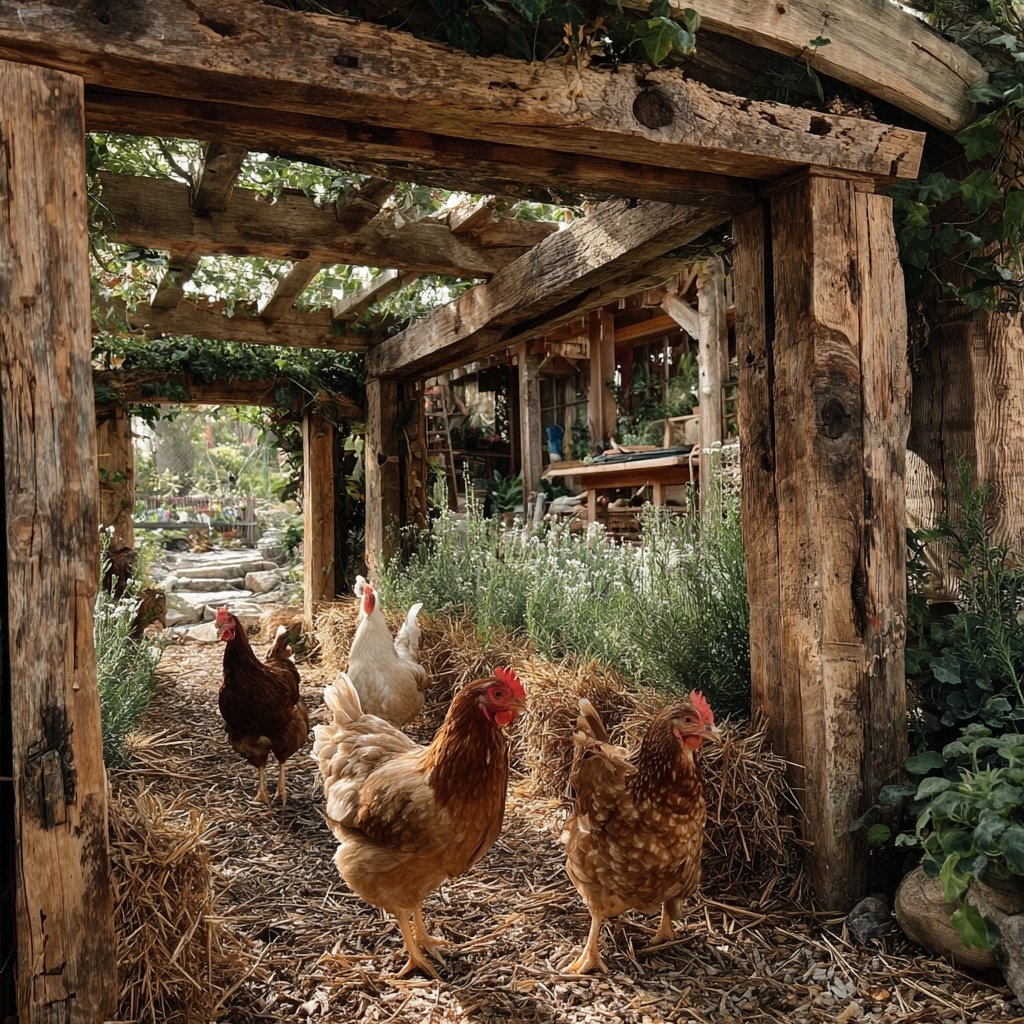
Building our chicken run was more than just a project; it became a family affair. Working together with my kids, we measured a designated area in our backyard that utilizes both space and sunlight effectively. We experimented with different materials to find the right balance between strength and visibility, ensuring we could easily see the chickens while they enjoyed their day. This attention to detail not only made the run secure but also a pleasant spot to observe our chickens play.
Throughout this process, I learned that ventilation is just as important as security. A well-ventilated run prevents odors and keeps the chickens healthy. Using breathable mesh combined with solid structure allowed us to create a safe yet airy environment that our chickens thrive in. It's a joy to watch them flutter about, knowing we built a home that caters to their needs.
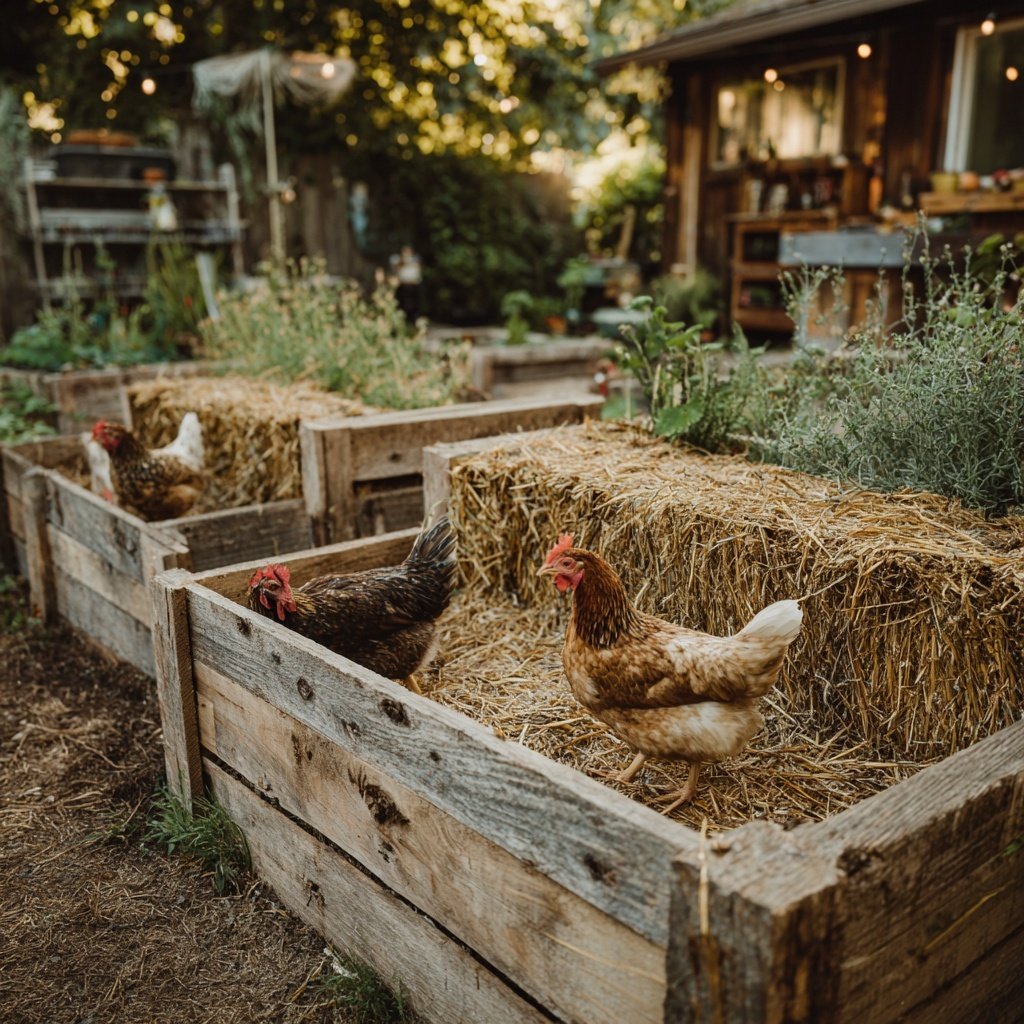
Why You'll Love This Setup
- Creates a safe environment for your chickens to roam and explore.
- Enhances the aesthetics of your backyard with a charming setup.
- Allows for easy observation of your chickens while they enjoy the outdoors.
Location Matters
Choosing the location for your chicken run is critical for the well-being of your birds. A dry, sunny spot will not only provide them with warmth but also prevent mud and dampness, which can lead to health issues. Look for areas that have natural windbreaks, such as bushes or fences, to protect the chickens during gusty weather. Take your time to assess the landscape before committing to a spot; the right location makes all the difference.
Consider the proximity to your home when selecting a location. A spot that’s easy to access makes daily chores, like feeding and cleaning, much more manageable. Additionally, observing your chickens from your kitchen or living room can enhance your enjoyment of having them around. Just make sure it’s not too close to high-traffic areas, as this can scare the birds and diminish their roaming experience.
Materials Make a Difference
When gathering materials, prioritize high-quality fencing that can withstand both weather and potential predators. Strong mesh or wire fencing is essential; a gauge of 14 or heavier is ideal to deter animals. Installing a roof, if feasible, can provide added security from aerial predators like hawks, especially in open spaces. Thoughtful selections of materials will result in a durable run that protects your chickens and lasts for years.
Don’t underestimate the importance of having the right tools on hand. A power drill for securing screws, a level to ensure your posts are straight, and a reliable measuring tape will make your project smoother. If you’re not comfortable with construction, ask a friend for help or look up online tutorials for building basics. Having extra help can make the process faster and more enjoyable.
Enhance Their Home
Adding amenities such as perches and dust baths not only enriches your chickens' environment but also promotes their natural behaviors. Chickens love to perch to roost at night, so including multiple levels of perches can prevent overcrowding. Use untreated wood for perches as it is safer and allows for better gripping. Dust baths are essential for hygiene, as they help chickens manage parasites and keep their feathers clean and healthy.
Consider seasonal changes when planning your chicken run. During the summer months, shade is essential; adding a tarp or planting fast-growing sunflowers nearby can provide relief from the heat. In winter, ensure there are windbreaks in place to keep your chickens sheltered from harsh weather. Evaluate your setup periodically to see if adjustments need to be made, and do not hesitate to innovate as you learn what your chickens enjoy most.
Instructions
To set up your backyard chicken run, you'll need to gather the right materials and follow a plan to create a sturdy and safe environment for your chickens. Here’s a step-by-step guide to help you along the way.
Choose the Right Location
Select a dry, sunny area in your yard that offers both exposure to the sun and protection from strong winds. Ensure it's away from any large predators or disturbances.
Gather Materials
You'll need fencing (preferably strong mesh or wire), wooden posts for the frame, a gate for easy access, and other materials like screws and nails. Consider adding a roof to keep your chickens safe from predators.
Build the Frame
Start by placing wooden posts in the ground to outline your chicken run. Ensure they are secure and upright. Connect the posts with sturdy wood to create a rectangular frame.
Attach the Fencing
Once the frame is built, attach the fencing or wire mesh securely to the wooden frame, ensuring there are no gaps that chickens or predators can squeeze through.
Create a Safe Door
Install a gate that’s easy to open and close while being strong enough to keep any unwanted animals out. Make sure it’s secure and can withstand some pressure.
Add Amenities
To enhance your chickens' living space, consider adding perches, a dust bath area, and a sheltered spot for shade. This will help them feel more at home in their new environment.
After completing these steps, spend some time checking the run for any potential safety issues, and make sure it’s comfortable for your chickens. They will thrive in a well-maintained environment!
Pro Tips
- Regularly check the fencing and gate for any signs of wear or potential breaches. Keeping the run clean and providing fresh water daily will also contribute to your chickens' health and happiness.
Troubleshooting Common Issues
If you notice your chickens pecking at the fencing or trying to escape, it may indicate that the run isn't spacious enough, or they are bored. To solve this, ensure they have enough room to roam and add new toys or foraging opportunities. Regularly rotating plants and introducing new elements can keep your chickens engaged and content.
Watch for signs of aggressive behavior, especially among roosters. If you've introduced new chickens, use a separate quarantine space to help them acclimate before allowing them into the main run. This can minimize pecking order disputes and provide a smoother transition for everyone involved.
Maintaining the Chicken Run
Routine maintenance is essential for a healthy chicken run. Regularly check the fences for any weaknesses, such as rust or loose sections, and repair them promptly. Keeping the ground clean by regularly removing waste and uneaten food will prevent the buildup of bacteria, while also providing a fresher environment for your chickens.
Consider implementing a cleaning schedule—weekly or bi-weekly, depending on your flock size. During cleanups, refresh the bedding in the dust bath and under perches to promote hygiene, making sure it’s dry and free of mold. This not only enhances your chickens' health but also reduces odors and attracts fewer pests.
Making Adjustments
As your chickens grow or your flock size changes, you may need to re-evaluate your run’s layout. Increasing the space or adjusting the arrangements can improve their living conditions. Pay attention to their behavior and happiness; if they seem restless or agitated, they may need more space or enrichment.
Don’t hesitate to ask for advice from fellow chicken keepers or conduct research on best practices. Joining local chicken-keeping groups—either online or in-person—can provide valuable insights and suggestions tailored to your specific environment, ensuring that your chickens thrive in their home.
Questions About Recipes
→ What size should my chicken run be?
A good rule of thumb is at least 10 square feet per chicken to allow enough space for them to roam.
→ How can I predator-proof my chicken run?
Make sure the fencing is buried a few inches into the ground to prevent digging and ensure the mesh is strong enough to withstand attacks from larger animals.
→ Can I leave my chickens outside all night?
It’s best to secure them in their coop at night to protect them from nocturnal predators.
→ How often should I clean the chicken run?
Aim to clean the run weekly to prevent odor and keep your chickens healthy.
DIY Backyard Chicken Run Setup
Created by: Hayley Morton
Recipe Type: Ready-to-Go Meals
Skill Level: Intermediate
Final Quantity: 1.0
How-To Steps
Select a dry, sunny area in your yard that offers both exposure to the sun and protection from strong winds. Ensure it's away from any large predators or disturbances.
You'll need fencing (preferably strong mesh or wire), wooden posts for the frame, a gate for easy access, and other materials like screws and nails. Consider adding a roof to keep your chickens safe from predators.
Start by placing wooden posts in the ground to outline your chicken run. Ensure they are secure and upright. Connect the posts with sturdy wood to create a rectangular frame.
Once the frame is built, attach the fencing or wire mesh securely to the wooden frame, ensuring there are no gaps that chickens or predators can squeeze through.
Install a gate that’s easy to open and close while being strong enough to keep any unwanted animals out. Make sure it’s secure and can withstand some pressure.
To enhance your chickens' living space, consider adding perches, a dust bath area, and a sheltered spot for shade. This will help them feel more at home in their new environment.
Extra Tips
- Regularly check the fencing and gate for any signs of wear or potential breaches. Keeping the run clean and providing fresh water daily will also contribute to your chickens' health and happiness.